

There are songs you hear and then there are songs that stay inside your chest like a memory you can’t shake. the joker chords belong to that second kind.
They don’t just create sound they create a mood, a feeling, almost like a soft confession whispered through a guitar string.
Maybe you first heard them late at night, scrolling through music videos, or maybe someone played them casually on an acoustic guitar that suddenly felt too emotional for the room.
Either way, something in those chords made you pause.
That’s the power of music psychology simple progressions that trigger deep emotional responses.
In this guide, we’ll break down the joker chords not just as notes, but as a story, a feeling, and a learning journey for beginners and passionate guitar lovers alike.
1. The Emotional Psychology of the joker chords in Music Perception

- 🎧 These chords trigger nostalgia through minor tonal shifts in melody.
- 🧠 The brain associates them with emotional storytelling patterns.
- 💔 They often feel bittersweet, blending sadness and beauty.
- 🌙 Night listening enhances emotional depth perception.
- 🎸 Acoustic tones amplify intimacy in sound experience.
- 💭 Memory recall is activated by repetitive chord cycles.
- ❤️ Listeners often connect them to personal heartbreak stories.
- 🔊 Soft dynamics increase emotional sensitivity in the listener.
- 🎼 Simple progressions make emotional impact stronger.
- 🌊 Wave-like sound movement mimics emotional ups and downs.
- 🕊️ Calm tempo creates reflective mental space.
- 🎶 Minor chords enhance emotional vulnerability.
- 💫 Harmonic tension builds subconscious curiosity.
- 🔥 The resolution gives emotional release and comfort.
2. Understanding Guitar Structure in the joker chords for Beginners

- 🎸 Start with basic open chord shapes for foundation.
- ✋ Finger placement determines clarity of sound.
- 🎼 Smooth transitions create emotional flow.
- 🔁 Practice repetition builds muscle memory.
- 🧩 Break chords into simple learning sections.
- 🎧 Listen carefully to original track timing.
- 🪶 Light strumming enhances emotional tone.
- ⏱️ Slow practice improves accuracy and control.
- 🔊 Use soft dynamics for expressive playing.
- 📍 Focus on clean string pressure.
- 🎤 Match rhythm with vocal pacing if singing.
- 🧠 Visualize chord shapes mentally before playing.
- 💡 Use metronome for steady progression.
- 🌟 Build confidence through daily short sessions.
3. Hidden Musical Theory Behind the joker chords Progression

- 🎼 Built on emotional minor-major transitions.
- 📊 Uses predictable yet powerful harmonic movement.
- 🎹 Root notes guide emotional direction.
- 🔄 Repeating structure builds familiarity.
- 🎧 Interval spacing affects mood intensity.
- 🧠 Tension and release create emotional storytelling.
- 🎸 Chord voicing adds texture and depth.
- 🌙 Minor scales often dominate progression.
- 🎵 Subtle variations keep listener engaged.
- 💔 Dissonance enhances emotional tension.
- 🔊 Resolution gives satisfying closure.
- 🎶 Bass movement anchors harmony.
- 🪄 Suspended chords add mystery.
- 💫 Theory blends with emotion seamlessly.
4. Learning Finger Placement in the joker chords Step-by-Step
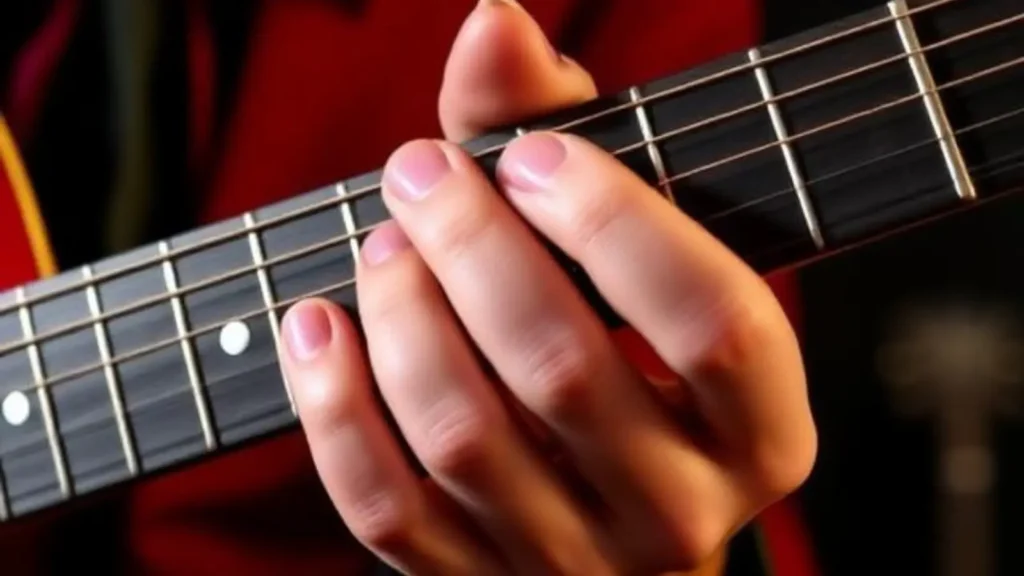
- ✋ Position fingers close to frets for clean sound.
- 🎸 Avoid pressing too hard or too soft.
- 🧠 Train hand memory gradually.
- 🔁 Repeat transitions slowly first.
- 🎼 Focus on accuracy over speed.
- 🎧 Listen while practicing for timing.
- 💡 Adjust wrist angle for comfort.
- 🪶 Relax hand tension while playing.
- 📍 Check string buzz regularly.
- 🎵 Practice chord switching drills.
- ⏱️ Increase speed gradually over time.
- 💭 Visual learning improves retention.
- 🔊 Use clean amp tone if electric.
- 🌟 Consistency builds mastery.
5. Emotional Storytelling Through the joker chords in Songs
- 📖 These chords often narrate heartbreak stories.
- 💔 Used in breakup-themed compositions.
- 🌧️ Create rainy-day emotional ambiance.
- 🎭 Add depth to lyrical storytelling.
- 🎸 Support vocal emotional delivery.
- 🧠 Trigger empathy in listeners.
- 🎶 Enhance poetic songwriting style.
- 💭 Reflect inner emotional conflict.
- 🌙 Perfect for late-night acoustic sessions.
- 🎧 Build cinematic sound atmosphere.
- ❤️ Connect deeply with audience feelings.
- 🔥 Intensify chorus impact.
- 🎼 Add contrast between verses and hooks.
- 🌟 Make simple songs unforgettable.
6. Rhythm Techniques to Master the joker chords Smoothly
- 🥁 Use downstroke patterns for softness.
- 🎸 Alternate strumming improves flow.
- ⏱️ Keep consistent timing with metronome.
- 🔁 Loop practice builds rhythm stability.
- 🎶 Add pauses for emotional effect.
- 💡 Sync strumming with vocal phrasing.
- 🎧 Listen to original rhythm carefully.
- 🪶 Light touch enhances tone quality.
- 🔊 Avoid overpowering strumming force.
- 🎼 Experiment with rhythmic variations.
- 🌊 Use flowing motion for continuity.
- 💭 Feel rhythm instead of forcing it.
- 🎤 Combine rhythm with lyrical emotion.
- 🌟 Build groove gradually.
7. Acoustic Vibes of the joker chords for Deep Feelings
- 🎸 Acoustic tone feels more personal.
- 🌙 Night ambience enhances emotional effect.
- 💔 Raw sound increases vulnerability.
- 🎧 Perfect for unplugged performances.
- 🔊 Natural resonance creates warmth.
- 🎼 Minimal production highlights emotion.
- 🪶 Soft strumming feels intimate.
- 💡 Room echo adds depth.
- 🎶 Ideal for storytelling songs.
- 🧠 Listeners feel closer to artist.
- 🌊 Smooth tone flow relaxes mind.
- ❤️ Emotional honesty becomes stronger.
- 🎤 Works well with soft vocals.
- 🌟 Pure acoustic magic experience.
8. Common Mistakes While Playing the joker chords
- ❌ Pressing strings too hard.
- ❌ Ignoring timing accuracy.
- ❌ Skipping slow practice.
- ❌ Poor finger positioning.
- ❌ Rushing chord changes.
- ❌ Over-strumming patterns.
- ❌ Not tuning guitar properly.
- ❌ Ignoring rhythm consistency.
- ❌ Holding unnecessary tension.
- ❌ Copying without understanding.
- ❌ Weak strumming control.
- ❌ Not using metronome.
- ❌ Inconsistent practice routine.
- ❌ Lack of listening practice.
9. Advanced Variations of the joker chords for Guitar Players
- 🎸 Add hammer-ons for texture.
- 🎶 Use fingerpicking patterns.
- 🔊 Experiment with capo positions.
- 🎼 Try alternate tunings.
- 🧠 Blend major-minor transitions.
- 💡 Add melodic fills between chords.
- 🎧 Use reverb effects creatively.
- 🌙 Create ambient versions.
- 🎵 Incorporate slide techniques.
- 🔁 Loop-based improvisation.
- 🎤 Combine with vocal riffs.
- 🪄 Add harmonic layering.
- 🌊 Build dynamic intensity shifts.
- 🌟 Personalize your arrangement.
10. How the joker chords Influence Modern Music Trends
- 📈 Popular in acoustic covers online.
- 🎧 Viral on social media platforms.
- 🎸 Used in indie music culture.
- 💔 Common in emotional ballads.
- 🎼 Inspire beginner guitar tutorials.
- 🧠 Shape listener emotional expectations.
- 🌙 Fit nighttime playlist trends.
- 🎶 Used in cinematic soundtracks.
- 🔥 Trending in lo-fi music scenes.
- ❤️ Symbol of emotional authenticity.
- 🎤 Support singer-songwriter genre.
- 🌊 Create chill music vibes.
- 🎵 Frequently remixed by artists.
- 🌟 Strong online music engagement.
11. Practice Routine Blueprint for the joker chords Mastery
- ⏱️ 15-minute daily practice works best.
- 🎸 Start with slow chord switching.
- 🎼 Add rhythm drills gradually.
- 🎧 Practice with original song audio.
- 🔁 Repeat difficult transitions.
- 💡 Record your practice sessions.
- 🧠 Focus on muscle memory.
- 🪶 Keep sessions relaxed.
- 🎤 Try singing while playing.
- 🔊 Improve tone control daily.
- 📍 Track progress weekly.
- 🎶 Mix exercises for variety.
- 🌟 Stay consistent always.
- 💭 Enjoy emotional connection.
12. Vocal Integration with the joker chords for Singers
- 🎤 Match vocals with chord rhythm.
- 🎶 Use emotional phrasing.
- 💔 Add softness in delivery.
- 🧠 Control breathing carefully.
- 🎧 Practice with instrumental track.
- 🌙 Night practice improves tone.
- 🔊 Balance voice and guitar levels.
- 🎼 Emphasize lyrical meaning.
- 💡 Use vocal dynamics wisely.
- 🎸 Let guitar guide emotion.
- ❤️ Connect lyrics with chords.
- 🌊 Smooth transitions matter.
- 🎵 Avoid vocal strain.
- 🌟 Build emotional storytelling.
13. Recording Tips for the joker chords at Home
- 🎙️ Use quiet environment setup.
- 🎧 Record multiple takes.
- 🎸 Tune guitar perfectly.
- 🔊 Adjust mic placement carefully.
- 🎼 Keep natural sound tone.
- 🧠 Focus on emotional feel.
- 💡 Avoid background noise.
- 🌙 Record during calm hours.
- 🎶 Layer soft harmonies.
- 🎤 Balance vocals and guitar.
- 🔁 Edit lightly for authenticity.
- 🪶 Keep raw emotional vibe.
- 🎵 Use simple audio tools.
- 🌟 Prioritize feeling over perfection.
14. Why the joker chords Stay Timeless in Music Culture
- ⏳ Emotional depth never fades.
- 🎸 Simple structure remains powerful.
- ❤️ Universal emotional connection.
- 🎶 Works across generations.
- 🧠 Easy for beginners to learn.
- 💔 Strong emotional storytelling.
- 🌙 Perfect for intimate moments.
- 🎧 Widely used in covers.
- 🔊 Adaptable across genres.
- 🎼 Memorable harmonic flow.
- 🌊 Smooth emotional dynamics.
- 🎤 Singer-friendly progression.
- 🌟 Cultural music impact.
- 🔥 Always trending emotionally.
FAQ About the joker chords
1. What are the joker chords in guitar?
They are a popular chord progression known for emotional depth and storytelling feel in acoustic and modern music. Many beginners learn them due to their simple structure and strong emotional impact.
2. Are the joker chords good for beginners?
Yes, they are very beginner-friendly. The chord shapes are simple, transitions are manageable, and they help build confidence in rhythm and finger placement.
3. Why do the joker chords sound so emotional?
They use a mix of minor tonal elements and smooth harmonic movement, which triggers emotional responses in the brain related to nostalgia and sadness.
4. Can I play the joker chords on acoustic guitar?
Absolutely. In fact, they sound even more emotional on acoustic guitar due to natural resonance and softer tone quality.
5. What songs use the joker chords style?
Many acoustic covers, indie songs, and emotional ballads use similar progressions inspired by this style of chord movement.
6. How long does it take to learn the joker chords?
With daily practice, most beginners can learn basic versions within a few days to a week, depending on consistency.
7. Do the joker chords require a capo?
Not always, but a capo can help match the original pitch of certain songs and make transitions smoother for beginners.
8. What is the best practice routine for the joker chords?
Short daily sessions, slow chord transitions, and playing along with the original track are the most effective methods.
9. Can I sing while playing the joker chords?
Yes, they are ideal for singing because of their steady rhythm and emotional tone, which supports vocal expression.
10. Are the joker chords used in professional music?
Yes, many professional musicians use similar progressions in studio recordings, acoustic sets, and live performances.
Conclusion: The Emotional Legacy of the joker chords
In the end, the joker chords are more than just a sequence of guitar shapes they are emotion translated into sound. They teach beginners patience, give singers emotional depth, and allow listeners to feel something real in a noisy world.
Whether you’re playing them alone in your room or performing for someone special, these chords remind you that music is not just heard it’s felt.

Writes trendy and relatable humor content perfect for modern online audiences.