
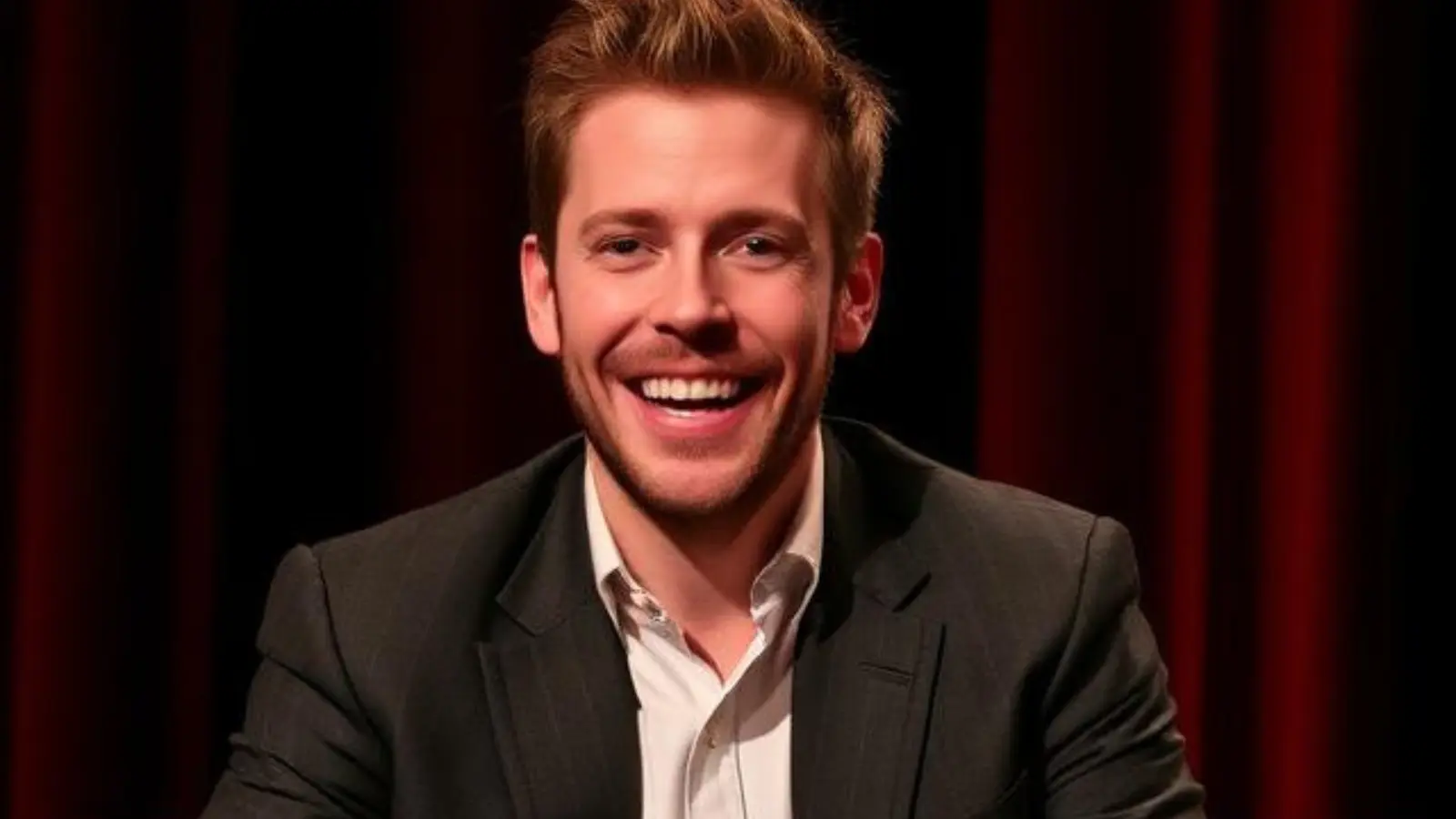
When people first encounter the world of Anthony Jeselnik jokes, they usually react in two ways: uncomfortable silence or uncontrollable laughter they didn’t expect.
His humor doesn’t ask for permission it walks into the room, breaks the social rules, and leaves you questioning why you laughed in the first place.
But that’s exactly the magic. Anthony Jeselnik jokes aren’t just jokes they are psychological experiments wrapped in sarcasm, timing, and emotional detachment.
And once you understand them, you realize they’re not just dark they’re brilliantly structured, intentionally crafted, and deeply intelligent.
Anthony Jeselnik Jokes and the Psychology of Dark Humor Attraction Signals
- 😈 Your brain loves taboo humor because it releases tension safely
- 🧠 Dark comedy activates cognitive dissonance processing centers
- ⚡ Anthony Jeselnik jokes rely on surprise misdirection patterns
- 😂 Laughter becomes a relief response, not just amusement
- 🧩 Your moral boundaries are tested, not broken
- 🎭 Emotional distance makes the punchline hit harder
- 🔥 Shock value resets attention in crowded comedy spaces
- 🪞 You laugh because you didn’t expect yourself to
- 🧠 The brain rewards “unexpected harmless danger”
- 🎯 Timing is engineered for maximum mental disruption
- 😳 Discomfort becomes part of the joke structure
- 💡 Humor works like a cognitive puzzle being solved
- 🧊 Emotional detachment makes delivery feel colder but funnier
- ⚖️ The balance between offense and cleverness creates addiction
Anthony Jeselnik Jokes and the Art of Controlled Emotional Offense Engineering
- 🎤 Offense is used as a storytelling tool, not aggression
- 🧠 Emotional shock is carefully calculated, never random
- 😏 Anthony Jeselnik jokes rely on precision word placement
- 🔪 He cuts expectations before the audience sees them coming
- 🎯 Every joke is structured like a trap for assumptions
- 🧊 His tone remains calm even when the content is extreme
- ⚡ Emotional discomfort is intentionally timed for release
- 🧩 Audience expectations are inverted mid-sentence
- 🎭 He removes emotional cushioning from punchlines
- 🔥 Silence after jokes is part of the performance
- 🧠 Offense becomes a cognitive engagement trigger
- 😈 He weaponizes politeness for contrast effect
- 🎤 Delivery is deadpan, not expressive, for impact control
- 🧷 The structure prevents emotional overload
Anthony Jeselnik Jokes and the Deadpan Delivery Masterclass Blueprint
- 😐 Expressionless face amplifies comedic unpredictability
- 🎤 Anthony Jeselnik jokes depend on vocal restraint
- 🧠 Flat tone reduces emotional guidance cues
- ⚡ Audience must interpret meaning without help
- 🎭 Deadpan creates space for imagination to fill gaps
- 😏 The absence of emotion becomes the punchline enhancer
- 🔥 Timing replaces exaggeration in importance
- 🧊 Emotional neutrality creates tension contrast
- 🧩 The brain works harder, making humor stick longer
- 🎯 Delivery hides punchline intent until the final second
- 😈 Subtle pauses increase anticipation exponentially
- 🧠 Humor emerges from silence, not expression
- 🎤 Confidence replaces theatrics entirely
- ⚖️ Less emotion = more impact in dark comedy
Anthony Jeselnik Jokes and the Unexpected Twist Sentence Architecture
- 🧠 Setup sentences mislead intentionally
- 🎯 Anthony Jeselnik jokes flip meaning at the end
- ⚡ The last word often destroys expectations
- 😈 Misdirection is embedded in grammar structure
- 🎭 Sentence pacing controls emotional direction
- 🧩 Readers predict wrong endings consistently
- 🔥 The twist arrives after mental commitment
- 🧊 Emotional reset happens mid-punchline
- 🎤 Language simplicity hides complexity
- 😏 The joke feels logical until it suddenly isn’t
- 🧠 Cognitive surprise triggers laughter release
- ⚖️ Structure relies on linear-to-chaotic shift
- 🎯 Every sentence is a bait-and-switch mechanism
- 😳 The ending redefines the entire setup
Anthony Jeselnik Jokes and the Moral Boundary Testing Mechanism
- ⚖️ Humor challenges personal ethical limits safely
- 🧠 Anthony Jeselnik jokes explore taboo topics indirectly
- 😈 Boundaries are tested, not violated
- 🎭 Audience evaluates their own reactions
- 🔥 Shock creates moral reflection loops
- 🧩 Comedy becomes a self-awareness mirror
- 😏 Laughter often follows internal conflict
- 🧊 Emotional distance reduces guilt response
- 🎯 Ethical discomfort becomes part of entertainment
- 🧠 The mind separates humor from belief
- ⚡ Forbidden topics increase curiosity engagement
- 🎤 Humor becomes a safe exploration zone
- 😳 Reaction depends on personal tolerance level
- ⚖️ Boundaries expand through controlled exposure
Anthony Jeselnik Jokes and Timing Precision Like a Cognitive Stopwatch
- ⏱️ Timing determines joke survival or failure
- 🎤 Anthony Jeselnik jokes rely on microsecond pauses
- 🧠 Brain processing delay is exploited
- ⚡ Punchline arrives just after expectation peak
- 🎭 Silence increases tension before release
- 😏 Over-delivery reduces comedic impact
- 🔥 Understatement amplifies surprise factor
- 🧊 Controlled rhythm creates anticipation loops
- 🎯 Every pause is intentionally calculated
- 🧩 Audience fills silence with assumptions
- 😈 Timing replaces physical comedy entirely
- 🧠 Reaction speed defines laughter strength
- 🎤 Rhythm feels like musical composition
- ⚖️ Precision timing = emotional explosion trigger
Anthony Jeselnik Jokes and the Subtle Role of Linguistic Minimalism
- ✂️ Fewer words create stronger impact
- 🧠 Anthony Jeselnik jokes avoid unnecessary explanation
- 🎯 Minimal language increases interpretive power
- 😏 Simplicity hides layered meaning
- 🔥 Short sentences intensify punchlines
- 🎭 No filler allows sharper emotional spikes
- 🧊 Brevity increases audience imagination space
- ⚡ Every word carries structural weight
- 🧩 Reduced language enhances cognitive engagement
- 😈 Minimalism forces active interpretation
- 🎤 Overwriting kills comedic tension
- 🧠 Silence between words becomes meaningful
- 🎯 Clean structure improves memory retention
- ⚖️ Less language, more psychological impact
Anthony Jeselnik Jokes and Audience Reaction Psychology Mapping
- 👀 Reactions vary by emotional sensitivity level
- 🧠 Anthony Jeselnik jokes split audiences instantly
- 😂 Some laugh, some process in silence
- 😳 Discomfort is a common initial reaction
- 🎭 Group settings amplify reaction diversity
- ⚡ Social influence affects laughter timing
- 🧩 People look to others before reacting
- 😏 Confident laughter encourages group acceptance
- 🔥 Silence can increase perceived joke intensity
- 🧠 Internal debate delays outward reaction
- 🎤 Comedy becomes social experimentation
- 🧊 Emotional masking occurs in public settings
- 🎯 Reaction becomes part of the performance
- ⚖️ Audience becomes co-creator of meaning
Anthony Jeselnik Jokes and the Intelligence Layer Hidden in Darkness
- 🧠 Dark humor often signals higher cognitive processing
- 🎯 Anthony Jeselnik jokes require inference skills
- 😈 Meaning is never fully explicit
- 🧩 Interpretation is part of the joke itself
- ⚡ Cognitive decoding creates satisfaction
- 🎭 Intelligence enhances appreciation depth
- 🧊 Surface shock hides structural complexity
- 😏 Understanding increases emotional reward
- 🔥 Mental engagement replaces physical comedy
- 🧠 Humor works like logic puzzle solving
- 🎤 Misinterpretation leads to missed humor
- 🎯 Clarity emerges after reflection
- ⚖️ Smart humor feels more rewarding
- 🧩 Depth separates casual from dedicated fans
Anthony Jeselnik Jokes and Viral Shock Comedy Dynamics Online
- 📱 Shock humor spreads faster on social media
- 🧠 Anthony Jeselnik jokes trigger share reactions
- ⚡ Controversy increases algorithm engagement
- 😈 Clips thrive on reaction-based platforms
- 🎯 Short formats amplify punchline impact
- 🧩 Context removal increases shock value
- 🔥 Comment sections extend joke lifecycle
- 😏 Debate fuels visibility growth
- 🧊 Emotional extremes boost retention rates
- 🎤 Algorithms reward high engagement spikes
- 🧠 Surprise content gets rewatched more
- ⚖️ Polarization increases reach probability
- 📈 Shock equals visibility acceleration
- 📱 Viral loops sustain joke longevity
Anthony Jeselnik Jokes and Emotional Disconnection as Comedy Fuel
- 🧊 Emotional detachment strengthens delivery control
- 🧠 Anthony Jeselnik jokes avoid sentimentality
- 😏 Lack of emotion creates sharper contrast
- 🎯 Detached tone prevents audience guidance
- 🔥 Emotional neutrality intensifies shock
- 🧩 Humor becomes purely structural
- 🎭 Connection happens through logic, not empathy
- ⚡ Detachment increases unpredictability
- 😈 No emotional cues means more surprise
- 🧠 Audience fills emotional gap themselves
- 🎤 Cold delivery enhances comedic sharpness
- 🧊 Distance creates intellectual humor space
- 🎯 Emotional void becomes part of joke design
- ⚖️ Detachment amplifies reaction strength
Anthony Jeselnik Jokes and Cultural Sensitivity Debate in Modern Comedy
- 🌍 Humor evolves with cultural awareness shifts
- 🧠 Anthony Jeselnik jokes spark ethical discussions
- ⚖️ Comedy vs sensitivity remains ongoing debate
- 😈 Boundaries vary across audiences globally
- 🎯 Context influences interpretation heavily
- 🧩 Cultural lens changes joke reception
- 🔥 Controversy fuels artistic visibility
- 😏 Comedy reflects societal tension points
- 🧊 Detached humor reduces personal targeting
- 🎭 Intent matters more than content alone
- 🧠 Interpretation varies by background
- ⚡ Digital age amplifies disagreement speed
- 🌐 Global audiences react differently
- ⚖️ Comedy exists in evolving moral space
Anthony Jeselnik Jokes and the Unexpected Emotional Aftertaste Effect
- 😶 Laughter often turns into reflection
- 🧠 Anthony Jeselnik jokes linger mentally longer
- ⚡ Emotional processing continues after punchline
- 🎭 Initial shock transforms into analysis
- 🧩 Memory retention is unusually strong
- 😏 Confusion becomes part of experience
- 🔥 Humor feels layered over time
- 🧊 Emotional clarity arrives slowly
- 🎯 Aftertaste enhances joke memorability
- 🧠 Brain replays structure subconsciously
- 🎤 Meaning evolves after hearing
- ⚖️ Emotional contradiction fuels recall
- 😈 Discomfort becomes reflective humor
- 🧠 Long-term engagement increases appreciation
Anthony Jeselnik Jokes and the Future of Dark Stand-Up Evolution
- 🚀 Dark comedy continues evolving digitally
- 🧠 Anthony Jeselnik jokes influence modern comics
- 🎯 Minimalist shock styles are growing
- 😈 Streaming boosts global accessibility
- 🧩 New comedians adopt timing precision
- ⚡ Audience expectations are shifting
- 🎭 Edgier humor gains niche loyalty
- 🧊 Emotional detachment trends rising
- 📱 Short-form comedy dominates platforms
- 🧠 Cognitive humor is gaining popularity
- 🎤 Performance style is becoming hybrid
- 🔥 Shock remains core engagement tool
- 🌍 Global humor boundaries continue changing
- ⚖️ Future comedy blends intelligence and risk
FAQ: Anthony Jeselnik Jokes Explained
1. Why are Anthony Jeselnik jokes considered dark comedy?
Anthony Jeselnik jokes are considered dark comedy because they intentionally explore taboo, uncomfortable, or socially sensitive topics using irony, misdirection, and deadpan delivery. Instead of relying on safe humor, they challenge emotional boundaries and force the audience to think before laughing. The humor comes from surprise and contrast rather than traditional punchlines, making it psychologically engaging and sometimes uncomfortable but intellectually rewarding.
2. What makes Anthony Jeselnik jokes different from other comedians?
Unlike many comedians who use expressive storytelling, emotional connection, or relatable everyday humor, Anthony Jeselnik focuses on minimalism, precision timing, and emotional detachment. His jokes often mislead the audience before delivering an unexpected twist. The structure is tightly controlled, making every word essential. This approach creates a unique blend of shock, intelligence, and irony that stands out in modern stand-up comedy.
3. Why do people laugh at Anthony Jeselnik jokes even when they feel uncomfortable?
People laugh at Anthony Jeselnik jokes because of cognitive dissonance—the brain experiences a conflict between moral discomfort and humor recognition. When the punchline resolves the tension in an unexpected way, laughter becomes a release mechanism. Even if the topic feels inappropriate, the clever structure and timing trigger an automatic psychological response that overrides discomfort with humor.
4. Are Anthony Jeselnik jokes meant to be offensive?
Not necessarily. Anthony Jeselnik jokes are designed to test boundaries and explore uncomfortable topics through satire and exaggeration. The intention is not personal offense but comedic shock and intellectual engagement. While some audiences may find them offensive, others see them as a commentary on expectations, language structure, and humor psychology rather than literal statements of belief.
5. How does timing affect Anthony Jeselnik jokes?
Timing is one of the most critical elements in Anthony Jeselnik jokes. A perfectly placed pause or delayed punchline increases tension and anticipation, making the final delivery more impactful. If timing is too fast, the joke loses effect; if too slow, it breaks rhythm. His comedic style relies on precise control of pacing to maximize surprise and audience reaction.
6. Why do Anthony Jeselnik jokes go viral on social media?
Anthony Jeselnik jokes often go viral because they trigger strong emotional reactions—shock, laughter, or debate. Social platforms amplify content that creates engagement, and controversial or unexpected humor tends to get shared more. The short, punchy structure also fits perfectly into clips, making them highly digestible and highly discussable online.
7. Do Anthony Jeselnik jokes require intelligence to understand?
They don’t require high intelligence, but they do reward attention and inference. The humor often depends on recognizing misdirection, understanding context shifts, and processing irony. Viewers who enjoy layered humor tend to appreciate them more because they involve mental decoding rather than straightforward punchlines.
8. Why do Anthony Jeselnik jokes feel uncomfortable but funny?
This happens because the jokes deliberately target emotional boundaries. The discomfort comes from taboo subject matter, while the humor arises from clever structure and unexpected outcomes. The brain holds both reactions simultaneously, and laughter becomes a way to resolve the tension between them.
9. What is the main style of Anthony Jeselnik jokes?
The main style is deadpan, minimalist, and shock-based storytelling. It relies on simple sentence structures, misdirection, and unexpected punchlines. Emotional expression is removed, which makes the delivery feel colder but sharper. This contrast enhances comedic impact and defines his signature style.
10. Can Anthony Jeselnik jokes be considered educational in comedy writing?
Yes, in a structural sense. They are often studied for their mastery of timing, misdirection, and language economy. Comedy writers analyze them to understand how to build tension, subvert expectations, and deliver punchlines with maximum efficiency. They serve as a model for precision in modern stand-up writing.
Conclusion: The Lasting Impact of Anthony Jeselnik Jokes
In the end, Anthony Jeselnik jokes are not just about shock they are about structure, psychology, timing, and emotional engineering.
They challenge the audience to think differently about humor, forcing a moment of reflection between laughter and discomfort.
Whether you love them or question them, they leave a mark that lingers longer than expected.
And that’s the real power of Anthony Jeselnik jokes they don’t just make you laugh, they make you think about why you laughed at all.
Creates original humor content inspired by modern culture and everyday situations.