
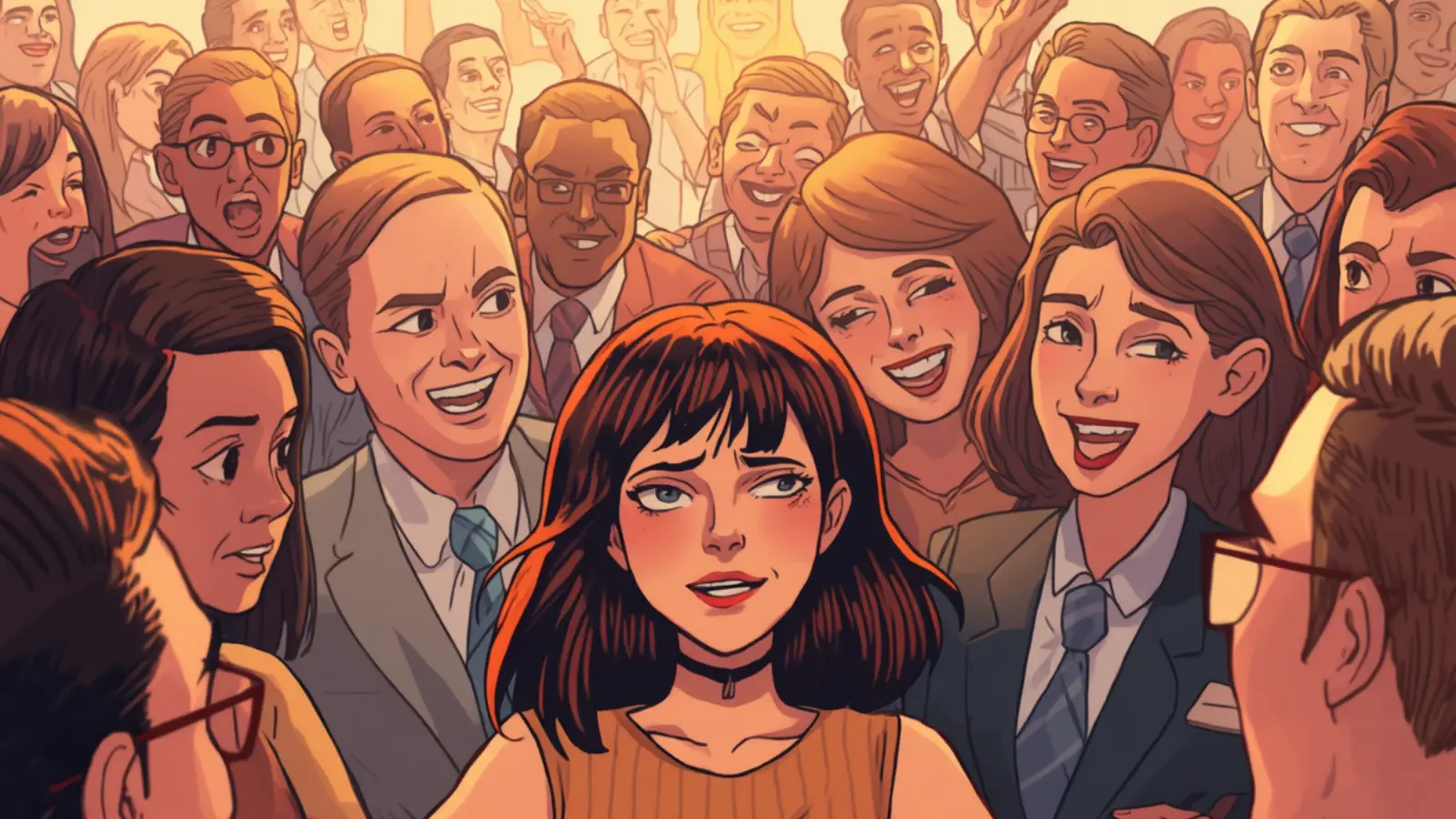
There’s a strange moment in life when laughter around you doesn’t feel light anymore it feels aimed.
You smile, but something inside tightens.
You’ve become the brunt of the joke, the silent target in conversations, friendships, workplaces, or even family gatherings. It doesn’t always start cruelly.
Sometimes it begins as “just fun,” a playful tease, a harmless comment.
But over time, the humor shifts, and suddenly, you’re the one everyone looks at when they want a laugh.
Psychologically, being the brunt of the joke can affect self-esteem, identity, and emotional safety.
It blurs the line between humor and humiliation.
In this deep-dive guide, we’ll explore how this pattern forms, why people do it, how it affects the mind, and most importantly how to step out of that role and rebuild emotional authority in your life.
Brunt of the Joke and Hidden Social Power Dynamics in Groups
- 👀 Social groups often choose a “light target” to bond through humor
- 🧠 The brain associates laughter with hierarchy and dominance signals
- 🎭 Being the brunt of the joke often signals weak boundary enforcement
- 🔄 Group roles silently form: joker, observer, and target
- 💬 Humor becomes a tool for unspoken social ranking
- ⚖️ Power imbalance increases when jokes go unchallenged
- 😅 People confuse friendliness with permission to tease
- 🧍 One person often becomes the emotional “dumping ground”
- 🔍 Repetition of jokes creates identity labeling
- 📉 Self-confidence drops with consistent teasing exposure
- 🧊 Silence from others reinforces the pattern
- 🧭 Social awareness determines whether it continues
- 🚪 Leaving the group often feels harder than enduring it
- 🛑 Awareness is the first step to breaking the cycle
Brunt of the Joke and Emotional Conditioning in Childhood
- 🧸 Childhood teasing can normalize emotional discomfort
- 🧠 Early experiences shape tolerance for humiliation
- 🏫 School environments often reinforce joke-based labeling
- 😶 Children rarely know how to set emotional boundaries
- 🎯 Repeated teasing becomes identity imprinting
- 💔 Emotional pain gets masked as “just jokes”
- 🧍 Siblings sometimes reinforce teasing roles
- 🧩 Humor becomes a coping mechanism instead of connection
- 🔁 Patterns repeat in adult relationships unconsciously
- 🧠 The brain learns to accept disrespect as normal
- 😔 People-pleasing often develops as protection
- 🚧 Boundaries remain underdeveloped
- 🗣️ Speaking up feels dangerous or “too sensitive”
- 🌱 Healing starts by reinterpreting past experiences
Brunt of the Joke in Friendships and Why It Happens Repeatedly
- 👯 Friends may unknowingly assign “comic roles”
- 😆 Humor becomes the glue of weak communication groups
- 🔄 One person becomes the recurring punchline
- 🧠 Group validation reinforces teasing behavior
- 😬 Fear of confrontation keeps the cycle alive
- 💬 “Just joking” becomes emotional escape language
- 🧍 The target often over-adapts to fit in
- 🧊 Emotional discomfort gets normalized
- ⚖️ True respect is replaced by familiarity humor
- 📉 Self-expression becomes limited
- 🧭 Awareness shifts group behavior over time
- 🚪 Some friendships dissolve when boundaries emerge
- 💪 Healthy friends adjust when honesty is expressed
- 🌈 Real friendship respects emotional limits
Brunt of the Joke and Workplace Humor That Crosses the Line
- 💼 Office humor often hides hierarchical pressure
- 😅 Senior staff may joke at juniors without awareness
- 📊 Teasing becomes “culture” instead of concern
- 🧠 Employees stay silent to protect job security
- 🧍 One person becomes team entertainment
- ⚠️ Professional boundaries blur easily
- 🗣️ Speaking up risks being labeled “difficult”
- 📉 Productivity drops with emotional discomfort
- 🧊 Emotional safety impacts performance directly
- 🤝 Respectful workplaces reduce toxic humor
- 🧭 HR awareness plays a major role
- 🚪 Leaving toxic environments becomes self-protection
- 💡 Assertive communication shifts dynamics
- 🌟 Healthy humor strengthens teams instead of harming
Brunt of the Joke and Self-Esteem Erosion Patterns
- 🪞 Constant teasing distorts self-image
- 🧠 Negative reinforcement rewires self-belief
- 😔 People begin to internalize jokes as truth
- 📉 Confidence slowly declines over time
- 🧍 Social anxiety may increase
- 💬 Self-expression becomes filtered and cautious
- 🧊 Emotional numbness develops as defense
- 🔄 Overthinking social interactions becomes common
- 🧠 Identity confusion may arise
- 💔 Self-worth gets tied to others’ approval
- 🚧 Boundary-setting feels uncomfortable
- 🌱 Healing requires conscious reprogramming
- 💪 Affirmation and awareness rebuild identity
- 🌈 Self-respect replaces external validation
Brunt of the Joke and Communication Breakdown Signals
- 🗣️ Miscommunication fuels repeated teasing cycles
- 😅 Sarcasm replaces direct conversation
- 🧠 Assumptions replace clarity
- 💬 People avoid honest emotional expression
- 🧍 One-sided humor dominates interaction
- 📉 Emotional depth decreases in relationships
- ⚠️ Lack of feedback loops worsens behavior
- 🧊 Silence becomes passive agreement
- 🔍 Misinterpreted humor escalates tension
- 🧭 Healthy dialogue is rarely practiced
- 💡 Clarification reduces emotional harm
- 🚪 Avoidance leads to long-term damage
- 🤝 Respectful communication restores balance
- 🌟 Clarity heals social misunderstanding
Brunt of the Joke and Psychological Defense Mechanisms
- 🧠 Humor is used as emotional shielding
- 😅 Some laugh to hide discomfort
- 🧍 Others freeze in awkward silence
- 🔄 People rationalize harmful jokes
- 💬 Denial protects social belonging
- 🧊 Emotional suppression becomes routine
- 🧠 Cognitive dissonance appears frequently
- 🚧 Boundaries get delayed or avoided
- 💔 Self-blame replaces external accountability
- 🧭 Awareness breaks automatic reactions
- 🌱 Emotional intelligence builds resilience
- 💪 Healthy confrontation strengthens identity
- 🌈 Acceptance leads to transformation
- 🛑 Defense mechanisms must be re-evaluated
Brunt of the Joke and Cultural Humor Differences
- 🌍 Humor varies across cultures dramatically
- 😄 Some cultures normalize teasing deeply
- 🧠 Context defines emotional interpretation
- 🧍 Outsiders may misread intent easily
- 💬 Language barriers increase misunderstanding
- ⚖️ What is funny for one may hurt another
- 🧭 Cultural awareness improves relationships
- 🎭 Social norms shape humor boundaries
- 📉 Misalignment causes emotional discomfort
- 🤝 Respect bridges cultural humor gaps
- 🧊 Silence may hide cultural confusion
- 🌱 Adaptability improves social harmony
- 💡 Awareness prevents emotional harm
- 🌈 Inclusive humor builds stronger bonds
Brunt of the Joke and Digital Age Meme Culture
- 📱 Social media amplifies public teasing
- 😂 Memes can target individuals anonymously
- 🧠 Viral humor spreads without context
- 🧍 Online users become unintended targets
- ⚠️ Digital jokes can escalate quickly
- 💬 Comment sections intensify exposure
- 🧊 Emotional impact is often ignored
- 🔄 Content spreads faster than reflection
- 📉 Reputation can be affected instantly
- 🧭 Digital literacy reduces harm
- 🛑 Reporting helps control abuse
- 🌱 Online boundaries must be enforced
- 💪 Self-protection is essential online
- 🌈 Responsible humor shapes better internet
Brunt of the Joke and Relationship Emotional Safety
- ❤️ Emotional safety is foundation of love
- 😅 Constant teasing weakens intimacy
- 🧠 Partners must understand emotional triggers
- 🧍 One partner may feel undervalued
- 💬 Communication prevents emotional damage
- ⚖️ Balance between fun and respect matters
- 🧊 Silence increases emotional distance
- 🔄 Misunderstood humor creates conflict
- 💔 Trust decreases with repeated hurt
- 🌱 Healing requires vulnerability
- 💪 Boundaries strengthen relationships
- 🤝 Mutual respect sustains connection
- 🌈 Emotional awareness deepens love
- 🛑 Love should never feel like a joke
Brunt of the Joke and Boundary Setting Skills
- 🚧 Boundaries define emotional respect
- 🧠 Clarity prevents repeated discomfort
- 💬 Assertive language is essential
- 🧍 Standing firm changes dynamics
- 😅 Calm responses work better than anger
- ⚖️ Consistency reinforces boundaries
- 🧊 Avoiding over-explanation helps
- 🔄 Repetition strengthens enforcement
- 🧭 Self-awareness guides reactions
- 💪 Confidence grows with practice
- 🌱 Respect attracts healthier relationships
- 🤝 Boundaries improve communication
- 🌈 Emotional safety increases
- 🛑 Boundaries end toxic humor cycles
Brunt of the Joke and Identity Rebuilding Journey
- 🧠 Identity is shaped by perception
- 💔 Old labels can be rewritten
- 🌱 Healing starts with awareness
- 🧍 You are not your past jokes
- 💬 Reframing changes internal narrative
- 💪 Confidence rebuilds gradually
- 🧭 Self-definition replaces group labeling
- 📉 Emotional baggage is released
- 🧊 Detachment from negativity is key
- 🌈 Self-respect becomes priority
- 🛑 Internal validation replaces external
- 🤝 Support systems accelerate healing
- 💡 Growth requires patience
- 🌟 Identity renewal is possible
Brunt of the Joke and Emotional Intelligence Growth
- 🧠 Emotional intelligence increases awareness
- 💬 Better communication reduces conflict
- 😌 Self-regulation improves reactions
- 🧍 Empathy changes group behavior
- 🔄 Reflection prevents repetition
- ⚖️ Balance between humor and respect develops
- 🧊 Emotional control reduces escalation
- 🌱 Awareness builds maturity
- 💡 Understanding intent vs impact matters
- 🤝 Stronger relationships emerge
- 🧭 Emotional clarity guides choices
- 💪 Resilience strengthens identity
- 🌈 Emotional depth increases
- 🛑 EI prevents harmful humor cycles
Brunt of the Joke and Transforming Pain into Personal Power
- 🔥 Pain can become strength source
- 🧠 Awareness transforms experience
- 💪 Boundaries build empowerment
- 🧍 Identity becomes self-defined
- 🌱 Growth emerges from discomfort
- 💬 Speaking up changes everything
- ⚖️ Respect replaces fear
- 🧊 Emotional scars fade over time
- 🔄 Lessons replace suffering
- 🌈 Confidence becomes natural
- 🤝 Healthier relationships form
- 💡 Wisdom replaces confusion
- 🛑 Cycle of being target ends
- ✨ Power returns to self
FAQ: Brunt of the Joke Deep Answers for Real Understanding
1. What does “brunt of the joke” really mean in social situations?
Being the “brunt of the joke” means you are consistently the target of humor, teasing, or sarcasm in a group. While it may start as playful interaction, it often becomes repetitive and emotionally draining. The term implies you’re the one absorbing the impact of jokes, especially when they cross into discomfort or embarrassment. Psychologically, it reflects group dynamics where one person is assigned a “role” for entertainment, often without their full consent or comfort being considered.
2. Why do people become the brunt of the joke repeatedly?
People often become the brunt of the joke due to social positioning, lack of boundary-setting, or group habit formation. Once a group identifies someone as “easy to tease,” the behavior becomes repetitive. Sometimes, the individual avoids confrontation, which unintentionally reinforces the pattern. Other times, group leaders initiate teasing that others follow. Over time, this creates a social identity that is difficult to break unless clear boundaries or communication shifts the dynamic.
3. Is being the brunt of the joke harmful to mental health?
Yes, it can be emotionally harmful, especially when persistent. Repeated teasing can lower self-esteem, increase anxiety, and create feelings of exclusion or embarrassment. The brain starts associating social interactions with emotional discomfort. Over time, this may lead to self-doubt or social withdrawal. While occasional humor is normal, consistent targeting without emotional safety can significantly impact mental well-being and identity perception.
4. How do I stop being the brunt of the joke in my group?
You can start by calmly setting boundaries, such as expressing discomfort in a neutral tone. Avoid laughing along if it hurts you, and clearly state when a joke crosses the line. Consistency is key—people adjust when they understand your limits. If the behavior continues despite communication, reassess the environment. Healthy relationships respect boundaries; toxic ones ignore them.
5. Why does humor sometimes turn into humiliation?
Humor becomes humiliation when it targets sensitive traits repeatedly or ignores emotional consent. The intention may not always be harmful, but impact matters more than intent. When jokes consistently focus on one person’s weaknesses or insecurities, they stop being funny and start becoming emotionally damaging. This shift often happens gradually, making it harder to recognize.
6. Can friendships survive if I speak up about being the joke target?
Yes, strong friendships usually improve after honest communication. When you express how certain jokes affect you, real friends adjust their behavior. If the group dismisses or mocks your feelings further, it may indicate unhealthy dynamics. Healthy relationships evolve with emotional honesty, while toxic ones resist change.
7. How does being the brunt of the joke affect self-confidence?
It can slowly erode self-confidence by reinforcing negative self-perceptions. When someone is repeatedly teased, they may start believing those jokes reflect truth. This creates self-doubt, hesitation in social situations, and reduced self-expression. Over time, the person may become overly cautious or emotionally withdrawn to avoid further embarrassment.
8. What is the difference between friendly teasing and harmful joking?
Friendly teasing feels mutual, light, and comfortable for everyone involved. Harmful joking, however, feels one-sided, repetitive, or emotionally uncomfortable. The key difference is consent and emotional impact. If one person consistently feels embarrassed or targeted, the humor has crossed a boundary. Respect and emotional safety define the difference.
Conclusion: Rising Beyond Being the Brunt of the Joke
Being the brunt of the joke is not a permanent identity it is a pattern shaped by environment, communication, and boundaries.
Once you recognize it, you begin to reclaim emotional control. You stop laughing just to fit in.
You start speaking up. You choose spaces where humor uplifts rather than diminishes.
Your voice, your presence, and your feelings deserve respect not as an exception, but as a standard.
And the moment you decide that, the role you were assigned quietly dissolves, making space for something far more powerful: self-defined identity.

Known for humorous storytelling and unique comedy-inspired blog articles.