
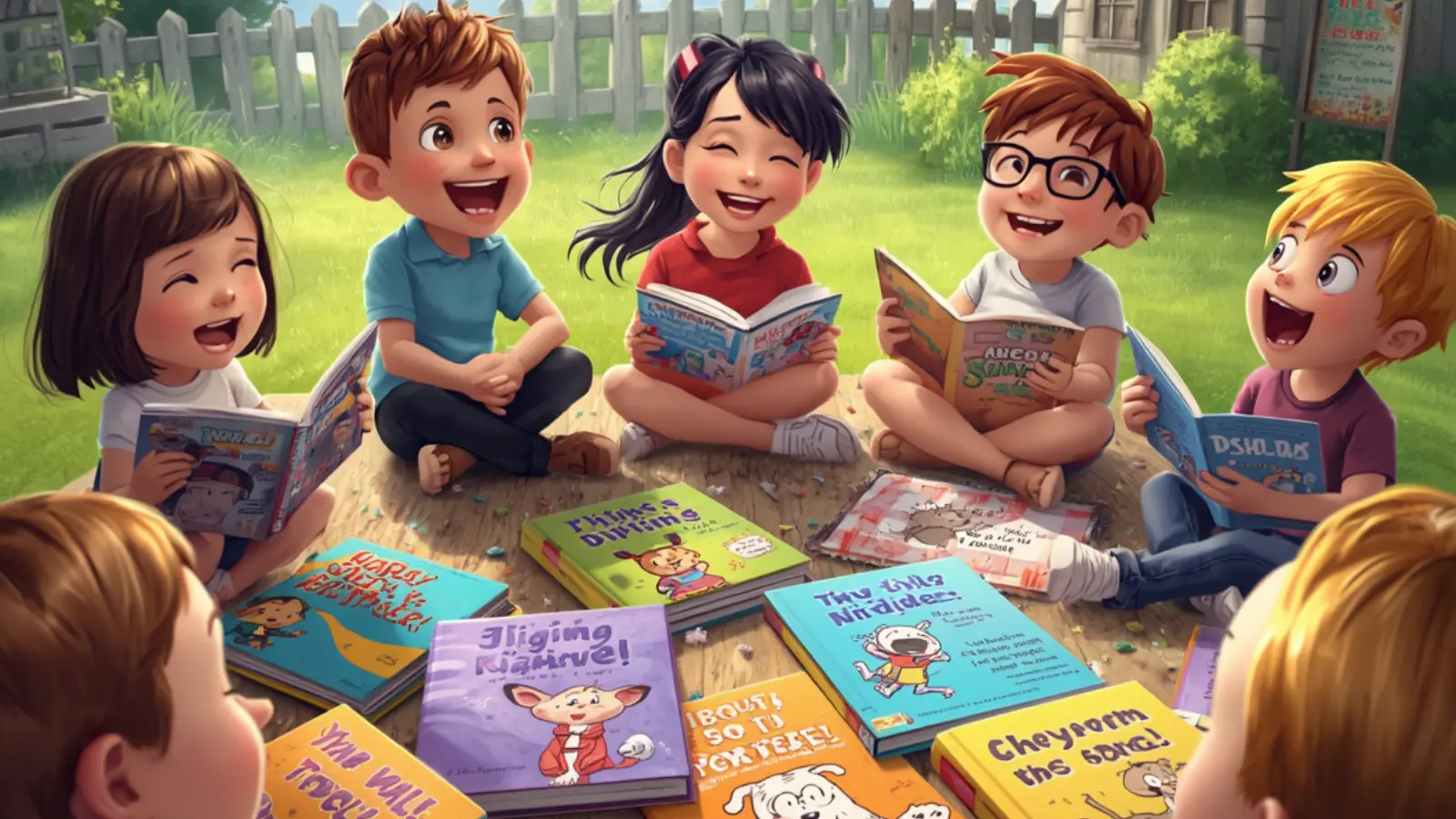
In a world full of screens, scrolling, and endless digital noise, something beautifully simple still wins hearts laughter between pages.
Children’s joke books are more than just collections of silly lines; they are tiny bridges between imagination and emotional intelligence.
A child reading a joke isn’t just laughing they’re learning timing, language, empathy, and confidence.
And here’s the deeper truth most people miss: humor shapes how children see the world.
A well-told joke becomes a memory, a bonding moment, and sometimes even a confidence booster in school or friendships.
That’s why children’s joke books continue to stay timeless, even in the age of apps and AI entertainment.
Now let’s explore the world of laughter-driven learning in a deeply structured, engaging, and SEO-rich way.
1. Children’s Joke Books as Emotional Intelligence Builders for Kids
- 😂 Teach kids to understand emotional cues through humor patterns
- 🧠 Improve empathy by recognizing playful perspectives in jokes
- 💬 Strengthen communication skills through funny storytelling
- ❤️ Build confidence in social interactions at school
- 🎭 Encourage expressive thinking in daily conversations
- 🧩 Help children decode sarcasm and playful meaning
- 🌈 Create positive emotional associations with reading
- 👂 Improve listening skills when jokes are shared aloud
- 👫 Strengthen peer bonding during shared laughter moments
- 📚 Promote literacy through enjoyable reading habits
- 🎤 Encourage kids to perform jokes confidently
- 🌟 Reduce social anxiety with humor-based engagement
- 🧒 Support emotional resilience through lighthearted content
- 💡 Teach kids that mistakes can also be funny learning moments
2. Children’s Joke Books and the Science of Early Brain Development
- 🧠 Boost neural connections through humor-based learning
- 📈 Improve memory retention using funny associations
- 🔤 Enhance vocabulary with playful language exposure
- 🎯 Strengthen attention span through engaging punchlines
- 🧩 Encourage cognitive flexibility in thinking patterns
- 🎨 Stimulate imagination with absurd joke scenarios
- 📚 Improve reading comprehension in early learners
- 🧒 Support brain development during critical growth stages
- ⚡ Activate dopamine release through laughter response
- 🗣 Improve verbal fluency with joke repetition practice
- 🔍 Develop pattern recognition in humor structure
- 🎭 Encourage storytelling creativity in children
- 🧠 Strengthen problem-solving through joke logic
- 🌱 Build long-term learning habits through fun reading
3. Children’s Joke Books as Family Bonding Rituals at Home
- 🏡 Create shared laughter moments during bedtime reading
- 👨👩👧 Strengthen parent-child emotional connection
- 🍿 Replace screen time with storytelling humor sessions
- 📖 Build daily reading habits through joke sharing
- 😄 Encourage siblings to bond through funny exchanges
- 🎉 Make weekends more joyful with joke reading games
- 💬 Improve family communication with playful storytelling
- 🛋 Turn living rooms into laughter zones
- 🎤 Let kids become “joke leaders” at home
- ❤️ Build emotional safety through shared humor
- 🧒 Reduce stress in children through light laughter
- 🌙 Create calming bedtime routines with jokes
- 🎯 Encourage interactive storytelling sessions
- 🏆 Strengthen family traditions around humor reading
4. Children’s Joke Books and Classroom Engagement Strategies
- 🏫 Increase student participation with joke breaks
- 📚 Improve reading interest in reluctant learners
- 🎤 Encourage public speaking through joke telling
- 🧠 Support active learning with humor integration
- 👩🏫 Help teachers build positive classroom energy
- 🧩 Break monotony in long study sessions
- ✏ Improve writing skills through joke creation
- 🎯 Enhance attention during lessons using humor
- 👫 Promote group collaboration through joke sharing
- 🧒 Reduce classroom anxiety in shy students
- 🌟 Increase creativity in assignments and essays
- 📖 Make language learning more enjoyable
- 🧠 Improve retention of academic concepts
- 🎉 Turn classrooms into joyful learning spaces
5. Children’s Joke Books and Digital Detox Alternatives for Kids
- 📵 Reduce screen dependency through book engagement
- 📚 Encourage offline entertainment habits
- 🧠 Improve focus away from digital distractions
- 🎭 Replace short videos with imaginative reading
- 🌱 Support healthier cognitive development
- 🏡 Create screen-free family bonding time
- 😄 Offer laughter without internet dependency
- 🧒 Reduce gaming addiction behaviors naturally
- 📖 Build reading consistency in daily routine
- 🎯 Improve attention span with joke reading
- 💬 Encourage real-world communication skills
- 🧩 Strengthen imagination without digital input
- 🌙 Support better sleep without screen exposure
- ❤️ Build emotional balance in children
6. Children’s Joke Books as Language Learning Accelerators
- 🔤 Improve English vocabulary through jokes
- 🗣 Enhance pronunciation via reading aloud
- 📚 Support grammar learning in playful context
- 🎯 Teach sentence structure naturally
- 💬 Improve conversational fluency
- 🧠 Boost cognitive language processing
- 🧒 Make second-language learning less intimidating
- 🎭 Encourage expressive speech patterns
- 📖 Strengthen reading comprehension skills
- ✏ Inspire writing creativity in kids
- 🌍 Support multilingual learning environments
- 😂 Make language practice enjoyable and fun
- 🧩 Improve word association skills
- 🎤 Build storytelling confidence in learners
7. Children’s Joke Books and Confidence Building Through Humor
- 🌟 Help shy children express themselves
- 🎤 Build public speaking confidence early
- 🧒 Encourage self-expression through storytelling
- 💬 Improve social interaction abilities
- 🧠 Reduce fear of judgment in kids
- 😂 Use humor as confidence booster
- 🏆 Encourage performance in school events
- 🎭 Develop stage presence in children
- 👨👩👧 Strengthen emotional support systems
- 📚 Build reading confidence through success
- 🌈 Encourage positive self-image development
- 🎯 Improve communication clarity
- 🧩 Teach resilience through funny mistakes
- ❤️ Build emotional courage in kids
8. Children’s Joke Books and Cultural Humor Understanding
- 🌍 Introduce kids to global humor styles
- 🧠 Develop cultural awareness through jokes
- 📖 Teach diversity through funny storytelling
- 🎭 Show how humor differs across societies
- 🧒 Build respect for different perspectives
- 💬 Encourage cross-cultural communication
- 🧩 Improve social adaptability skills
- 😂 Explore universal humor patterns
- 🎯 Help kids understand context-based jokes
- 🌈 Promote inclusivity through laughter
- 📚 Encourage multicultural reading habits
- 🧠 Strengthen critical thinking skills
- 🌍 Build global awareness early
- ❤️ Unite children through shared laughter
9. Children’s Joke Books as Creativity Igniters for Young Minds
- 🎨 Inspire imaginative thinking through jokes
- 🧠 Encourage creative problem-solving skills
- 📖 Promote storytelling innovation
- 🎭 Build character creation abilities
- 🧩 Develop abstract thinking patterns
- ✏ Inspire kids to write their own jokes
- 🌈 Encourage playful imagination expansion
- 🧒 Improve artistic expression through humor
- 💡 Trigger idea generation in learning
- 🎯 Strengthen brainstorming abilities
- 😂 Use humor as creativity spark
- 📚 Encourage writing and reading synergy
- 🎤 Build performance creativity skills
- 🌟 Develop lifelong creative thinking habits
10. Children’s Joke Books and Stress Relief for Young Learners
- 😄 Reduce academic stress naturally
- 🧠 Release tension through laughter
- 🧒 Help kids manage emotions better
- 📚 Create relaxing reading experiences
- 🌙 Support calm bedtime routines
- 💬 Encourage emotional expression safely
- 🎯 Reduce exam anxiety in students
- 🏡 Promote peaceful home environments
- 😂 Improve mood instantly with humor
- 🌈 Build emotional stability in kids
- 🧩 Teach coping skills through laughter
- 🎭 Encourage playful emotional release
- ❤️ Strengthen mental well-being early
- 🌟 Promote happy learning environments
11. Children’s Joke Books and Moral Learning Through Humor
- 📖 Teach values through funny stories
- 🧠 Improve ethical reasoning in kids
- 💬 Encourage respectful communication habits
- 🧒 Build honesty through humorous lessons
- 🌈 Teach kindness in playful ways
- 🎯 Reinforce good behavior naturally
- 😂 Use humor to explain consequences
- 🏡 Support family value discussions
- 🧩 Encourage thoughtful decision-making
- 📚 Improve understanding of right vs wrong
- ❤️ Strengthen empathy through jokes
- 🎭 Teach life lessons without pressure
- 🌟 Build character development early
- 💡 Make morality learning enjoyable
12. Children’s Joke Books and Reading Habit Formation Techniques
- 📚 Build daily reading routines
- 🧒 Make reading feel like play
- 🎯 Increase book engagement time
- 😂 Use humor to attract attention
- 🧠 Strengthen reading comprehension skills
- 🌈 Encourage independent reading habits
- 🏡 Promote home library culture
- 💬 Improve parent-child reading sessions
- 🎭 Make storytelling interactive
- 📖 Build curiosity for books
- 🧩 Develop focus and discipline
- 🌟 Inspire lifelong reading love
- ✏ Encourage writing responses
- ❤️ Create emotional connection with books
13. Children’s Joke Books and Social Skill Enhancement in Kids
- 👫 Improve peer communication skills
- 💬 Encourage friendly conversation starters
- 😂 Use jokes as social icebreakers
- 🧒 Build friendship confidence
- 🧠 Develop emotional reading of others
- 🎯 Improve group interaction abilities
- 📚 Strengthen storytelling in groups
- 🌈 Promote inclusivity in social circles
- 🎭 Reduce social awkwardness
- 🏡 Encourage family social bonding
- 🎤 Build expressive communication habits
- 🧩 Teach timing in conversations
- 🌟 Improve teamwork through humor
- ❤️ Strengthen social emotional intelligence
14. Children’s Joke Books and Lifelong Happiness Foundations
- 🌟 Build positive mindset early
- 😂 Encourage lifelong humor appreciation
- 🧠 Strengthen optimistic thinking habits
- 🧒 Create joyful childhood memories
- 📚 Associate reading with happiness
- 💬 Promote positive communication style
- 🎯 Reduce negativity in thinking
- 🏡 Build happy home environments
- 🌈 Encourage emotional balance
- 🎭 Inspire playful life approach
- 🧩 Teach resilience through laughter
- ❤️ Strengthen emotional well-being
- 🎉 Build joyful learning experiences
- 🌟 Shape lifelong happiness mindset
FAQ: Children’s Joke Books
1. Why are children’s joke books important for early learning?
Children’s joke books help kids develop language skills, emotional intelligence, and creativity. They make reading enjoyable and improve memory retention through humor. Jokes also encourage social interaction and help children understand tone, timing, and context in communication, which are essential early learning foundations.
2. At what age should kids start reading children’s joke books?
Most children can start enjoying joke books around ages 4 to 6, when they begin understanding simple language patterns. At this stage, humor helps build vocabulary, attention span, and emotional recognition, making reading more engaging and developmentally beneficial.
3. Do children’s joke books improve communication skills?
Yes, they significantly improve communication skills by teaching children how jokes are structured, how timing works, and how to express ideas clearly. Kids also learn storytelling techniques and gain confidence in speaking in front of others.
4. Can joke books help shy children become more confident?
Absolutely. Joke books give shy children a safe way to express themselves. Sharing jokes builds confidence, reduces anxiety in social settings, and helps them connect with peers through humor, making social interactions easier and more natural.
5. Are children’s joke books useful in classrooms?
Yes, teachers use joke books to increase engagement, improve participation, and make learning more interactive. Humor helps students focus better, reduces stress, and makes lessons more memorable and enjoyable.
6. How do children’s joke books support brain development?
They activate multiple areas of the brain by combining language, emotion, and pattern recognition. This improves memory, attention span, and cognitive flexibility while making learning enjoyable and effective.
7. Can joke books replace screen time for kids?
They are a great alternative to excessive screen time. Joke books encourage imagination, reading habits, and real-world interaction while reducing dependency on digital entertainment.
8. Do children’s joke books teach moral lessons?
Yes, many joke books subtly include moral lessons such as kindness, honesty, and empathy. Humor makes these lessons easier to understand and remember without feeling forced or preachy.
Conclusion: The Lasting Magic of Children’s Joke Books
At their core, children’s joke books are not just about laughter they are about shaping minds, emotions, and memories that last a lifetime.
They teach kids how to think, feel, speak, and connect with others in a world that often feels too fast and too digital.
A simple joke can become a bridge between confusion and clarity, silence and confidence, sadness and joy.
And that’s the quiet magic we often overlook between every punchline lies a lesson, and between every laugh lies a growing heart.

Creates original humor content inspired by modern culture and everyday situations.