
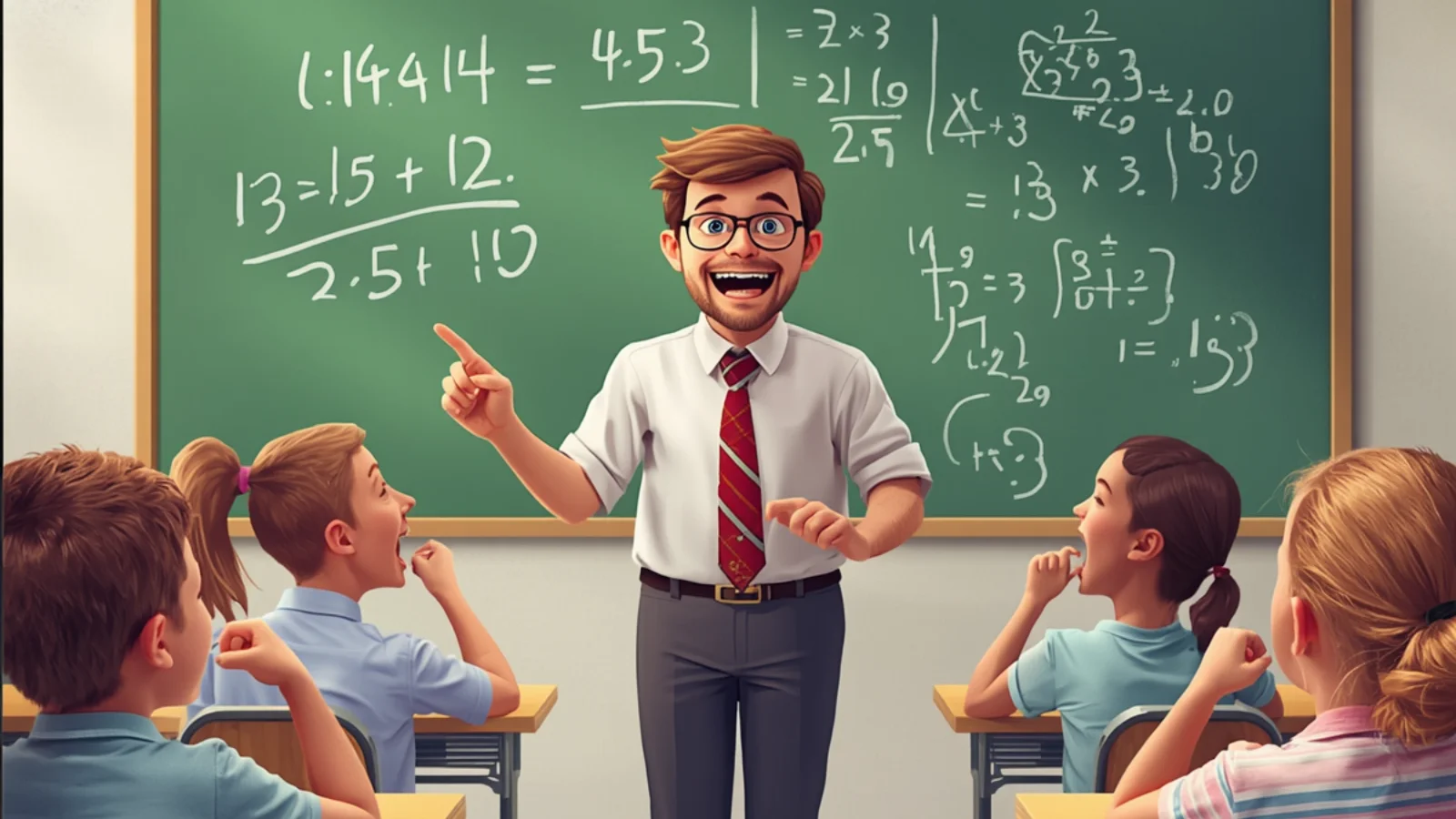
In every classroom, there’s always that one moment when numbers stop feeling like pressure and start feeling like play. A teacher cracks a joke about fractions behaving like “moody teenagers,” or algebra suddenly becomes a story instead of a struggle and the whole room changes energy.
That’s the quiet magic of ❤️❤️math teacher jokes❤️❤️.They are not just funny lines thrown into a lesson. They are emotional connectors, attention boosters, stress relievers, and memory anchors.
In fact, humor in education is deeply tied to psychology, cognitive science, and human bonding behavior. When students laugh during a math lesson, they are not just entertained hey are more open, more engaged, and more likely to remember what they learn.
This article explores the emotional science behind humor in mathematics education, how jokes shape attraction, learning behavior, classroom dynamics, and even personality development.
Let’s decode why a simple math joke can sometimes teach more than a full lecture.
❤️❤️math teacher jokes❤️❤️ in Emotional Learning Psychology of Students

- 😊 Math jokes reduce emotional resistance toward numbers and formulas
- 🧠 Humor activates both logical and emotional brain regions at once
- ❤️ Students feel safer asking questions after a laugh-filled explanation
- 😄 Jokes create positive emotional associations with difficult topics
- 💬 Emotional engagement increases retention of mathematical concepts
- 🌈 Humor lowers fear of failure in problem-solving situations
- 😍 Laughing during lessons improves classroom emotional safety
- 🔥 Students perceive math as less “threatening” when humor is present
- 🎯 Emotional curiosity increases after funny teacher explanations
- 💞 Humor strengthens trust between teacher and learner
- 🫶 Jokes create shared emotional classroom experiences
- ✨ Positive emotions enhance long-term memory encoding
- 💫 Students remember funny math examples better than plain ones
- 🌸 Emotional learning improves when ❤️❤️math teacher jokes❤️❤️ are used naturally
❤️❤️math teacher jokes❤️❤️ in Classroom Attention & Focus Boosting Dynamics

- 📚 Funny math moments instantly reset wandering attention
- 😆 Humor interrupts boredom cycles during long explanations
- 🧠 The brain becomes more alert after unexpected jokes
- 🎓 Students refocus faster after laughter breaks
- 😂 Jokes reset mental fatigue during complex problem-solving
- 💡 Humor helps highlight key learning points subconsciously
- 👩🏫 Teachers gain stronger classroom control through laughter
- 🎯 Attention span increases during playful explanations
- 🤝 Students participate more actively after jokes
- 🌟 Humor makes abstract math concepts more visible
- 📖 Learning transitions feel smoother with comedic timing
- 😄 Jokes act like “attention refresh buttons”
- 💬 Classroom energy stabilizes through humor breaks
- 🔥 ❤️❤️math teacher jokes❤️❤️ improve cognitive alertness naturally
❤️❤️math teacher jokes❤️❤️ in Teacher-Student Relationship Building
- 🤗 Humor builds emotional closeness between teacher and students
- 💬 Jokes make teachers appear more approachable
- ❤️ Students trust funny teachers more easily
- 😄 Laughter removes hierarchical tension in classrooms
- 🧠 Humor humanizes the learning experience
- 🌈 Teachers feel less intimidating when they joke
- 💞 Students share more academic struggles after humor moments
- 🎉 Funny teachers are remembered long after school ends
- 🫶 Humor creates safe emotional classroom environments
- 🔥 Jokes encourage open communication
- 🎯 Students ask more questions after light-hearted interactions
- 💫 Emotional bonding strengthens academic performance
- 😍 Teachers become “favorite mentors” through humor
- 🌸 ❤️❤️math teacher jokes❤️❤️ build lifelong educational respect
❤️❤️math teacher jokes❤️❤️ in Cognitive Memory Retention Science
- 🧠 Humor strengthens neural encoding of math concepts
- 😂 Funny examples are easier to recall during exams
- 📚 Emotional spikes improve long-term memory storage
- 💡 Jokes create mental “memory hooks” for formulas
- 🎯 Students remember story-based math better than raw numbers
- 😄 Humor reduces cognitive overload during learning
- 🔥 Funny repetition increases concept retention
- 🧠 The brain links laughter with information storage
- 💬 Creative humor improves recall speed
- 🌈 Emotional memory is stronger than neutral memory
- 🫶 Students recall jokes even years later
- ✨ Humor enhances conceptual understanding
- 💞 Funny explanations simplify complex ideas
- 📖 ❤️❤️math teacher jokes❤️❤️ optimize academic memory performance
❤️❤️math teacher jokes❤️❤️ in Romantic Attraction & Social Perception
- 😍 Funny individuals are perceived as more attractive
- 💘 Humor signals intelligence and confidence
- ❤️ Laughter increases emotional bonding potential
- 🌹 People feel more comfortable around humorous personalities
- 💬 Jokes reduce awkward social tension instantly
- 🔥 Humor increases charisma and social charm
- 🧠 Funny communication shows quick thinking ability
- 💞 Shared laughter builds emotional intimacy
- 😄 Humor improves first impressions significantly
- 🫶 Playfulness enhances likability in social settings
- 🎯 Funny behavior signals emotional stability
- 🌈 Humor creates subconscious trust signals
- 💫 Attraction increases through shared joy experiences
- ❤️❤️math teacher jokes❤️❤️ influence social magnetism positively
❤️❤️math teacher jokes❤️❤️ in Classroom Motivation & Academic Drive
- 📚 Humor increases willingness to learn difficult topics
- 😄 Students feel less pressured during math lessons
- 🧠 Motivation rises when learning feels enjoyable
- 🎯 Jokes turn boring topics into engaging stories
- 💡 Humor creates curiosity-driven learning behavior
- 💞 Students participate more actively in discussions
- 🔥 Funny teachers inspire consistent attendance
- 🌈 Motivation increases with emotional positivity
- 🫶 Humor reduces procrastination in studying math
- 📖 Students enjoy practice sessions more
- 😂 Learning feels like play, not punishment
- 💬 Humor increases classroom discipline naturally
- ✨ Positive reinforcement is enhanced through jokes
- ❤️❤️math teacher jokes❤️❤️ boost academic enthusiasm
❤️❤️math teacher jokes❤️❤️ in Stress Reduction & Exam Anxiety Relief
- 😌 Laughter lowers academic stress hormones
- 🧠 Humor relaxes overactive thinking patterns
- 😂 Jokes reduce exam fear and tension
- 🌈 Students feel calmer before tests
- 💬 Humor shifts focus from pressure to positivity
- 💞 Emotional relief improves performance outcomes
- 🫶 Funny teachers reduce classroom anxiety levels
- 🎯 Humor creates mental relaxation breaks
- 🔥 Laughter boosts dopamine and happiness
- 🌟 Students feel emotionally supported
- 😄 Humor improves breathing and relaxation response
- 💡 Anxiety decreases with playful learning
- ❤️ Emotional comfort increases confidence
- 💫 ❤️❤️math teacher jokes❤️❤️ support mental well-being
❤️❤️math teacher jokes❤️❤️ in Peer Interaction & Student Friendship Growth
- 🤗 Shared jokes create stronger student friendships
- 😂 Humor builds classroom inside jokes
- 💬 Funny moments improve peer communication
- 🌈 Laughter reduces social awkwardness
- 💞 Students bond through shared experiences
- 🧠 Humor resolves minor conflicts quickly
- 🎉 Funny moments become lasting memories
- 🔥 Jokes encourage group collaboration
- 🫶 Humor builds emotional classroom unity
- 😄 Students feel more socially accepted
- 💡 Playful teasing strengthens bonds
- 🎯 Humor improves teamwork in math tasks
- 🌸 Friendship deepens through laughter
- ❤️❤️math teacher jokes❤️❤️ enhance peer relationships
❤️❤️math teacher jokes❤️❤️ in Digital Learning & Online Classroom Engagement
- 📱 Humor increases online class participation
- 😂 Memes make math learning more engaging
- 💬 Funny digital explanations improve focus
- 🌈 Humor reduces online learning fatigue
- 🧠 Students respond better to playful content
- 💞 Laughter emojis improve engagement rates
- 🔥 Funny teachers gain higher online attention
- 🎯 Humor improves virtual classroom retention
- 🫶 Students feel more connected online
- 😄 Digital jokes increase interaction rates
- 💡 Humor improves comment participation
- 🌟 Online lessons feel less robotic
- ❤️ Emotional engagement increases digitally
- 💫 ❤️❤️math teacher jokes❤️❤️ thrive in e-learning environments
❤️❤️math teacher jokes❤️❤️ in Personality Development & Confidence Building
- 🧠 Humor builds self-confidence in communication
- 😄 Funny thinking improves creativity
- 💬 Jokes enhance public speaking skills
- 🌈 Humor reduces fear of judgment
- 💞 Laughter increases emotional resilience
- 🔥 Funny people adapt faster socially
- 🫶 Humor improves self-expression
- 🎯 Jokes encourage risk-free thinking
- 💡 Creativity grows through playful logic
- 🌟 Humor helps handle criticism better
- 😍 Funny students feel more confident
- ❤️ Emotional intelligence improves with humor
- 💫 Humor strengthens identity formation
- 🧩 ❤️❤️math teacher jokes❤️❤️ shape strong personalities
❤️❤️math teacher jokes❤️❤️ in Long-Term Educational Impact & Life Skills
- 📚 Humor builds lifelong love for learning
- 😄 Students remember funny teachers forever
- 🧠 Jokes improve problem-solving mindset
- 💬 Humor teaches flexible thinking
- 🌈 Laughter builds resilience in adulthood
- 💞 Funny lessons influence career confidence
- 🔥 Humor encourages lifelong curiosity
- 🫶 Jokes create positive school memories
- 🎯 Humor teaches emotional regulation skills
- 💡 Funny learning experiences shape thinking patterns
- 🌟 Students associate math with positivity
- ❤️ Humor supports lifelong mental agility
- 💫 Funny learning becomes personal inspiration
- 📖 ❤️❤️math teacher jokes❤️❤️ leave lasting life impact
FAQ: ❤️❤️math teacher jokes❤️❤️ and Educational Humor Psychology
1. Why are ❤️❤️math teacher jokes❤️❤️ effective in classrooms?
Math teacher jokes work because they reduce emotional stress and increase engagement. When students laugh, their brains release dopamine, making them more receptive to learning. Humor also breaks monotony, improves attention span, and helps students associate math with positive emotions instead of fear or pressure.
2. Do ❤️❤️math teacher jokes❤️❤️ actually improve academic performance?
Yes, research in educational psychology shows that humor improves memory retention and concept understanding. Students are more likely to remember funny examples than plain explanations. This leads to better recall during exams and stronger conceptual clarity in subjects like mathematics.
3. Can ❤️❤️math teacher jokes❤️❤️ reduce classroom anxiety?
Absolutely. Humor lowers cortisol levels, which are linked to stress. When teachers use jokes, students feel more relaxed and less intimidated by difficult topics. This creates a safe learning environment where students are more willing to participate and ask questions.
4. How do ❤️❤️math teacher jokes❤️❤️ affect student-teacher relationships?
They strengthen emotional bonding. Teachers who use humor appear more approachable and friendly, which encourages trust. Students feel more comfortable communicating their doubts, leading to better academic support and stronger classroom relationships overall.
5. Why do students remember ❤️❤️math teacher jokes❤️❤️ better than lectures?
Humor creates emotional memory triggers. When something is funny, the brain marks it as important and stores it more deeply. This emotional tagging makes jokes—and the lessons attached to them—easier to recall even after long periods.
6. Can ❤️❤️math teacher jokes❤️❤️ improve focus in class?
Yes, humor resets attention. When students become distracted or tired, a joke can re-engage their focus instantly. It refreshes mental energy and improves overall classroom participation and alertness.
7. Are ❤️❤️math teacher jokes❤️❤️ useful in online learning?
Definitely. In digital classrooms, humor reduces fatigue and keeps students engaged. Memes, funny explanations, and playful interactions make virtual learning more human and interactive, improving participation rates.
8. Do ❤️❤️math teacher jokes❤️❤️ help in personality development?
Yes, humor enhances confidence, communication skills, and emotional intelligence. Students who engage with humor tend to become more creative, socially adaptable, and confident in expressing themselves.
Conclusion
At its heart, ❤️❤️math teacher jokes❤️❤️ are more than classroom entertainment they are emotional tools that shape how students feel, think, and connect with learning. They transform math from a feared subject into a friendly experience filled with laughter, curiosity, and confidence.
When humor enters education, something powerful happens: fear turns into curiosity, pressure turns into play, and learning becomes a shared emotional journey. That is the real science behind laughter in classrooms and its impact lasts far beyond school walls.

Writes engaging and witty articles filled with relatable comedy moments.