
Humor is one of the most powerful ways to connect with people, and Mexican jokes in Spanish language carry a special charm that blends culture, emotion, and everyday life into laughter.
Whether you’re learning Spanish, exploring Mexican culture, or just love a good laugh, these jokes open a colorful door into the heart of Mexico.
Mexican humor is not just about being funny it’s about storytelling, family life, food, traditions, and even playful sarcasm that feels warm instead of harsh.
When you hear a joke in Spanish, especially from Mexican culture, you don’t just laugh you feel it.
In this article, you’ll explore deeply engaging, culturally rich, and SEO-optimized insights into humor, all built around Mexican jokes in Spanish language in a creative, human-first way.
Mexican jokes in Spanish language for beginners learning humor basics
- 😂 Learn simple jokes like “¿Qué le dijo el taco al chile?” to understand playful Spanish wordplay.
- 🌮 Beginner jokes often use food references like tacos, beans, and salsa for easy cultural connection.
- 🧠 These jokes help learners understand basic Spanish sentence structure in a fun way.
- 🎯 Short punchlines make it easier for non-native speakers to catch the humor quickly.
- 🗣️ Repetition of common verbs improves Spanish vocabulary naturally through laughter.
- 😄 Many jokes rely on pronunciation similarities between Spanish words for funny effects.
- 📚 Teachers often use these jokes in classrooms to boost engagement.
- 💬 Simple dialogues like “¿Por qué?” jokes build conversational confidence.
- 🎉 Beginners enjoy jokes that don’t require deep cultural knowledge.
- 🧩 Wordplay introduces learners to homophones in Spanish.
- 🌎 Helps bridge cultural understanding between English and Spanish speakers.
- 🎭 Makes language learning feel less stressful and more entertaining.
- 🔤 Encourages memorization through humor-based repetition.
- ❤️ Builds emotional connection with Mexican culture from the start.
Mexican jokes in Spanish language revealing cultural sarcasm secrets
- 😏 Mexican sarcasm is soft, warm, and often hidden in polite phrasing.
- 🧂 Jokes often exaggerate daily struggles like traffic or food cravings.
- 🏠 Family-related humor is a big part of cultural sarcasm.
- 😂 “Sí, cómo no…” is a common sarcastic phrase used humorously.
- 🎭 Tone matters more than words in many Mexican jokes.
- 🧠 Cultural context is key to understanding hidden meanings.
- ☕ Everyday life situations become comedy gold in Spanish humor.
- 🛒 Even grocery shopping stories turn into funny sarcasm.
- 🎉 People use humor to soften criticism in social conversations.
- 🚗 Traffic jokes reflect real urban experiences in Mexico.
- 🍽️ Food complaints are often exaggerated for comedic effect.
- 👀 Facial expressions are essential in delivering sarcasm.
- 💬 Many jokes sound serious but end with a funny twist.
- ❤️ Sarcasm builds closeness among friends and family.
Mexican jokes in Spanish language inspired by street life humor
- 🚶♂️ Street vendors inspire countless funny Spanish jokes.
- 🌮 Tacos sold at corners often become joke material.
- 🚕 Taxi drivers are common characters in street humor stories.
- 🏙️ City chaos is exaggerated for comedic storytelling.
- 😂 Real-life misunderstandings become viral joke material.
- 🛍️ Market bargaining turns into funny dialogues.
- 🎤 Street musicians add rhythm to humorous narratives.
- 🧃 Everyday slang makes jokes more relatable.
- 🚦 Traffic lights and delays become comedy triggers.
- 🧠 Observational humor is key in street-based jokes.
- 🧍 People-watching inspires creative punchlines.
- 🎭 Strangers interacting leads to unexpected humor.
- 🍌 Vendors shouting prices become funny imitations.
- ❤️ Street humor reflects real Mexican daily life.
Mexican jokes in Spanish language about family traditions and chaos
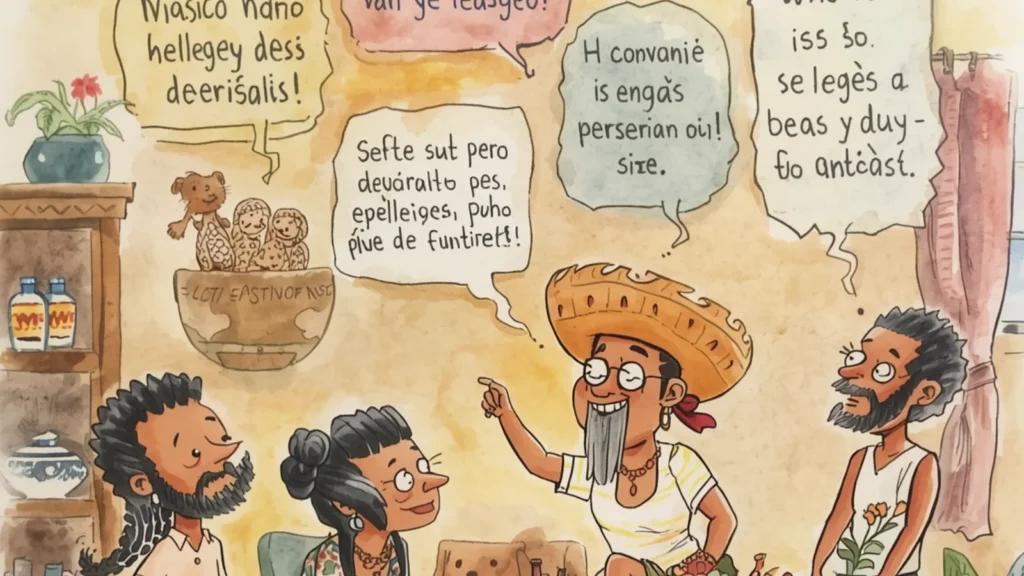
- 👨👩👧 Family gatherings are endless sources of humor.
- 🍽️ Big Sunday meals often inspire funny stories.
- 😂 Overprotective parents become joke characters.
- 🧓 Grandparents add wisdom and humor together.
- 🎉 Family parties are loud, chaotic, and hilarious.
- 📞 Relatives calling at wrong times create funny situations.
- 🧠 Sibling rivalry becomes comedic storytelling material.
- 🎂 Birthday celebrations are exaggerated in jokes.
- 🏠 Household rules are often joked about sarcastically.
- 💬 Family gossip turns into light-hearted humor.
- 👶 Kids say innocent things that become funny punchlines.
- 🍰 Food stealing between siblings is classic humor.
- 🎭 Emotional family drama becomes comedic exaggeration.
- ❤️ Family jokes strengthen emotional bonds.
Mexican jokes in Spanish language based on spicy food culture humor
- 🌶️ Spicy food tolerance is a favorite joke topic.
- 😂 “This is not spicy” becomes a running joke.
- 🥵 People exaggerate reactions to chili peppers.
- 🌮 Taco seasoning jokes are widely shared.
- 🧂 Salsa levels become competitive humor.
- 🍲 Cooking disasters turn into funny stories.
- 😅 Tears from spicy food are joked about dramatically.
- 🧠 Food challenges inspire humorous storytelling.
- 🥘 Family recipes are guarded like secrets.
- 🍽️ Restaurant spice levels cause funny misunderstandings.
- 🥵 Heat tolerance becomes a pride joke.
- 😂 Kids vs adults spice reactions are funny contrasts.
- 🌶️ “Pica o no pica” is a classic phrase.
- ❤️ Food humor connects deeply with Mexican identity.
Mexican jokes in Spanish language showing everyday workplace humor
- 💼 Office coffee breaks inspire jokes.
- 😂 Lazy Mondays are universal humor topics.
- 🖨️ Printer problems become comedy legends.
- 📧 Email misunderstandings create funny situations.
- 🧠 Boss vs employee jokes are light-hearted.
- ⏰ Clock-watching at work is relatable humor.
- 🪑 Office chairs and comfort become jokes.
- 📊 Meetings that “could have been emails” are funny.
- 🗂️ Paperwork chaos is exaggerated humor.
- 😂 Coworker gossip becomes playful storytelling.
- 🧃 Lunch break culture is a joke topic.
- 🖥️ Tech failures add humor to work life.
- 😴 Sleepy office mornings are widely joked about.
- ❤️ Workplace humor reduces stress and builds bonds.
Mexican jokes in Spanish language inspired by love and flirting humor
- 💘 Flirty jokes are playful and charming.
- 😂 “¿Tienes mapa?” jokes are classic icebreakers.
- 🌹 Romantic exaggerations create funny tension.
- 😍 Compliments often turn into humor.
- 💬 Awkward texting situations become jokes.
- ❤️ Crush stories inspire funny storytelling.
- 🧠 Wordplay makes flirting more creative.
- 🎭 Rejection humor is soft and playful.
- 💌 Love letters become exaggerated jokes.
- 😅 Nervous flirting creates relatable humor.
- 🌙 Late-night messages inspire funny misunderstandings.
- 🎶 Romantic songs are joked about humorously.
- 🧃 First date awkwardness becomes comedy.
- ❤️ Love humor feels warm and emotionally engaging.
Mexican jokes in Spanish language rooted in school life experiences
- 🎒 Homework excuses are classic jokes.
- 😂 “El perro se comió mi tarea” is iconic.
- 📚 Teachers become funny characters in stories.
- 🧠 Exams and stress inspire humor.
- 🕒 Late arrivals create funny excuses.
- ✏️ Pencil borrowing is relatable humor.
- 🧑🏫 Strict teachers become exaggerated jokes.
- 😂 Group projects often fail humorously.
- 📖 Forgotten homework is a comedy classic.
- 🧃 Lunchbox trades inspire funny memories.
- 🏫 School crushes add humor to stories.
- 🧠 Classroom distractions become jokes.
- 🎭 Student creativity leads to funny lies.
- ❤️ School humor builds shared nostalgia.
Mexican jokes in Spanish language about transportation struggles
- 🚍 Bus delays are always joked about.
- 🚗 Traffic jams create endless humor.
- 😂 “Llegué en 5 minutos” becomes ironic joke.
- 🚕 Taxi negotiations are funny interactions.
- 🧠 Navigation mistakes lead to storytelling humor.
- ⛽ Fuel price jokes are relatable.
- 🚦 Traffic lights feel emotionally dramatic in jokes.
- 🛵 Motorcycle chaos inspires comedic stories.
- 🚶 Walking distances are exaggerated humorously.
- 🗺️ Wrong turns create funny adventures.
- 😂 Car breakdowns become legendary stories.
- 🧃 Road trips inspire humorous memories.
- 🎭 Public transport overcrowding is joked about.
- ❤️ Travel humor reflects real life frustration.
Mexican jokes in Spanish language celebrating food and taco obsession
- 🌮 Tacos are the center of humor culture.
- 😂 “Sin tacos no hay vida” is a joke mindset.
- 🧠 Taco addiction jokes are extremely popular.
- 🌯 Burrito vs taco debates become funny arguments.
- 🧂 Salsa loyalty is joked about seriously.
- 🍽️ Late-night taco cravings inspire humor.
- 😋 Eating too many tacos becomes relatable comedy.
- 🏆 Taco competitions are exaggerated in jokes.
- 🌮 Street tacos vs restaurant tacos debates are funny.
- 😂 Taco stealing among friends is classic humor.
- 🧠 Food dreams about tacos become jokes.
- 🌶️ Spice levels make taco humor exciting.
- 🧃 Taco happiness is exaggerated emotionally.
- ❤️ Tacos symbolize joy in Mexican humor.
Mexican jokes in Spanish language highlighting friendship bonds
- 🤝 Friends roast each other lovingly.
- 😂 Inside jokes create strong bonds.
- 🧠 Friendship sarcasm is playful, not harmful.
- 🎉 Group hangouts inspire funny stories.
- 📱 Chat group memes become daily humor.
- 🧃 Sharing food leads to funny moments.
- 😎 Loyalty jokes strengthen friendships.
- 🎭 Friends exaggerate each other’s habits.
- 🚶 Late friends become running jokes.
- 😂 Teasing is a sign of closeness.
- 🧠 Shared memories become comedy gold.
- 🎶 Music taste debates are humorous.
- 🍕 Food fights among friends are funny.
- ❤️ Friendship humor builds emotional trust.
Mexican jokes in Spanish language exploring regional dialect differences
- 🗣️ Different accents create funny misunderstandings.
- 😂 Same word, different meaning jokes are common.
- 🧠 Regional slang adds humor depth.
- 🌎 Mexico’s diversity creates joke variations.
- 🎭 Pronunciation differences become comedy.
- 📍 Local expressions confuse outsiders humorously.
- 🧃 Street slang evolves into funny phrases.
- 🗺️ Traveling inside Mexico creates language jokes.
- 😂 “¿Qué dijiste?” becomes recurring humor.
- 🧠 Word meaning shifts create confusion jokes.
- 🎤 Accent imitation is a comedy tool.
- 🌮 Food names differ humorously across regions.
- 🎉 Cultural pride shows in dialect humor.
- ❤️ Language diversity strengthens humor identity.
Mexican jokes in Spanish language inspired by internet meme culture
- 😂 Memes transform traditional jokes into viral content.
- 📱 Social media spreads Spanish humor instantly.
- 🧠 Caption jokes dominate online culture.
- 🎭 Reaction memes express Mexican humor perfectly.
- 🌮 Food memes are extremely popular.
- 😅 Relatable stress memes trend daily.
- 📸 Image macros add humor depth.
- 🧃 TikTok trends influence joke styles.
- 💬 Comment sections become joke battles.
- 😂 Hashtags amplify cultural humor.
- 🧠 AI-generated memes are emerging trends.
- 🎉 Viral jokes evolve quickly online.
- 📲 Shareability defines modern humor.
- ❤️ Meme culture keeps jokes alive globally.
Mexican jokes in Spanish language reflecting emotional resilience and positivity
- ❤️ Humor helps people handle stress.
- 😂 Laughing through problems is cultural strength.
- 🧠 Jokes reduce emotional pressure in daily life.
- 🌞 Positivity is hidden in sarcasm.
- 🎭 Even hard situations become funny stories.
- 🧃 Humor creates mental relief.
- 💬 Talking about struggles through jokes feels easier.
- 🌈 Optimism is built into storytelling.
- 😅 Difficult moments become shared laughter.
- 🧠 Emotional intelligence shows in humor use.
- 🎉 Communities bond through shared jokes.
- 💪 Humor strengthens resilience.
- 😂 Laughing together heals emotional stress.
- ❤️ Mexican humor reflects deep emotional strength.
FAQ: Mexican jokes in Spanish language (SEO Optimized)
1. What are Mexican jokes in Spanish language and why are they popular?
Mexican jokes in Spanish language are humorous expressions rooted in Mexican culture, everyday life, food, family traditions, and sarcasm. They are popular because they combine emotional storytelling with relatable situations, making them easy to understand and deeply funny. These jokes often use wordplay, cultural references, and expressive tones, which make them engaging for both native speakers and learners of Spanish. Their popularity also comes from how they reflect real-life experiences in a light-hearted, entertaining way.
2. Are Mexican jokes in Spanish language difficult for beginners to understand?
Not necessarily. Many Mexican jokes in Spanish language are simple and based on everyday vocabulary, especially food, family, and school life. Beginners may struggle with slang or cultural references at first, but many jokes are designed with basic sentence structures and clear punchlines. Over time, learners become more familiar with expressions and humor patterns, making it easier to understand and enjoy them naturally.
3. How do Mexican jokes in Spanish language help in learning Spanish?
These jokes improve vocabulary, listening skills, and cultural understanding. Because humor relies on context, learners naturally absorb meanings of words, idioms, and slang. Mexican jokes in Spanish language also help improve memory retention since funny content is easier to remember. They make language learning enjoyable instead of stressful, which increases consistency and motivation in practice.
4. What topics are most common in Mexican jokes in Spanish language?
Common topics include food (especially tacos and spicy dishes), family life, school experiences, transportation struggles, workplace situations, and romantic flirting. Mexican jokes in Spanish language often reflect real-life daily routines, making them highly relatable. These themes are widely used because they connect emotionally with audiences and allow easy humor creation.
5. Why is sarcasm important in Mexican jokes in Spanish language?
Sarcasm plays a key role because it adds depth and emotional tone to humor. In Mexican jokes in Spanish language, sarcasm is often soft and playful rather than harsh. It helps people express frustration or irony in a funny way. This makes conversations more engaging and emotionally expressive without causing conflict.
6. Can Mexican jokes in Spanish language be used in social media content?
Yes, they are widely used in memes, reels, captions, and TikTok videos. Their short, expressive, and relatable nature makes Mexican jokes in Spanish language perfect for digital content. Social media audiences love humor that reflects everyday life, and these jokes perform very well in engagement, shares, and comments.
7. Are Mexican jokes in Spanish language family-friendly?
Most of them are family-friendly, especially those about food, school, and daily life. However, some jokes may include sarcasm or adult humor depending on context. Generally, Mexican jokes in Spanish language are designed to be shared in social gatherings, classrooms, and friendly environments.
8. What makes Mexican jokes in Spanish language unique compared to other humor styles?
Their uniqueness comes from cultural richness, emotional warmth, and expressive storytelling. Unlike simple punchline jokes, Mexican jokes in Spanish language often include life experiences, emotional depth, and cultural identity. They mix humor with real-life struggles, making them both entertaining and meaningful.
9. How do Mexican jokes in Spanish language reflect culture?
They reflect traditions, family values, food culture, social behavior, and daily struggles in Mexico. These jokes act as a mirror of society, showing how people think, interact, and express emotions. Mexican jokes in Spanish language are not just entertainment—they are a cultural expression.
10. Can learning Mexican jokes in Spanish language improve fluency?
Yes, they significantly improve fluency by exposing learners to natural expressions, slang, and conversational tone. Understanding humor requires comprehension of context, which strengthens overall language skills. Regular exposure to Mexican jokes in Spanish language helps learners speak more naturally and confidently.
Conclusion
Mexican humor is more than laughter it is emotion, culture, and connection wrapped in simple words. Exploring Mexican jokes in Spanish language opens a beautiful window into how people express joy, sarcasm, love, and resilience in everyday life. Whether you’re learning Spanish or simply enjoying cultural humor, these jokes bring people closer through shared smiles and relatable stories.
At its heart, Mexican jokes in Spanish language remind us that no matter where we come from, laughter is a universal language that heals, connects, and inspires.

Writes entertaining comedy articles with a mix of sarcasm and clever observations.